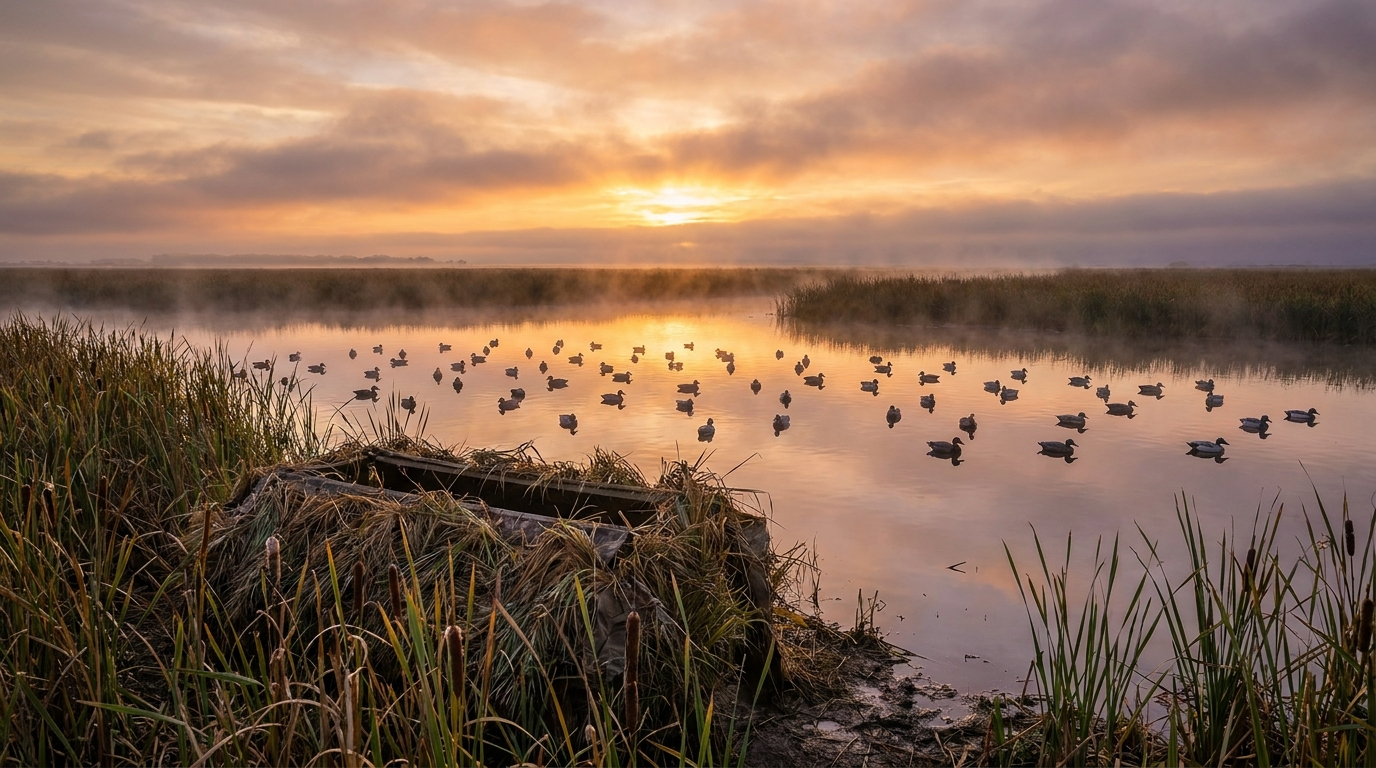
Duck and Goose Calling for Beginners: Real Practice
A beginner's guide to the duck and goose calls worth learning first, and how to sequence them so working birds finish instead of flare.
Honest gear advice, buying guides, and sale breakdowns — written to actually help you hunt, not to fill a page.
A beginner's guide to the duck and goose calls worth learning first, and how to sequence them so working birds finish instead of flare.
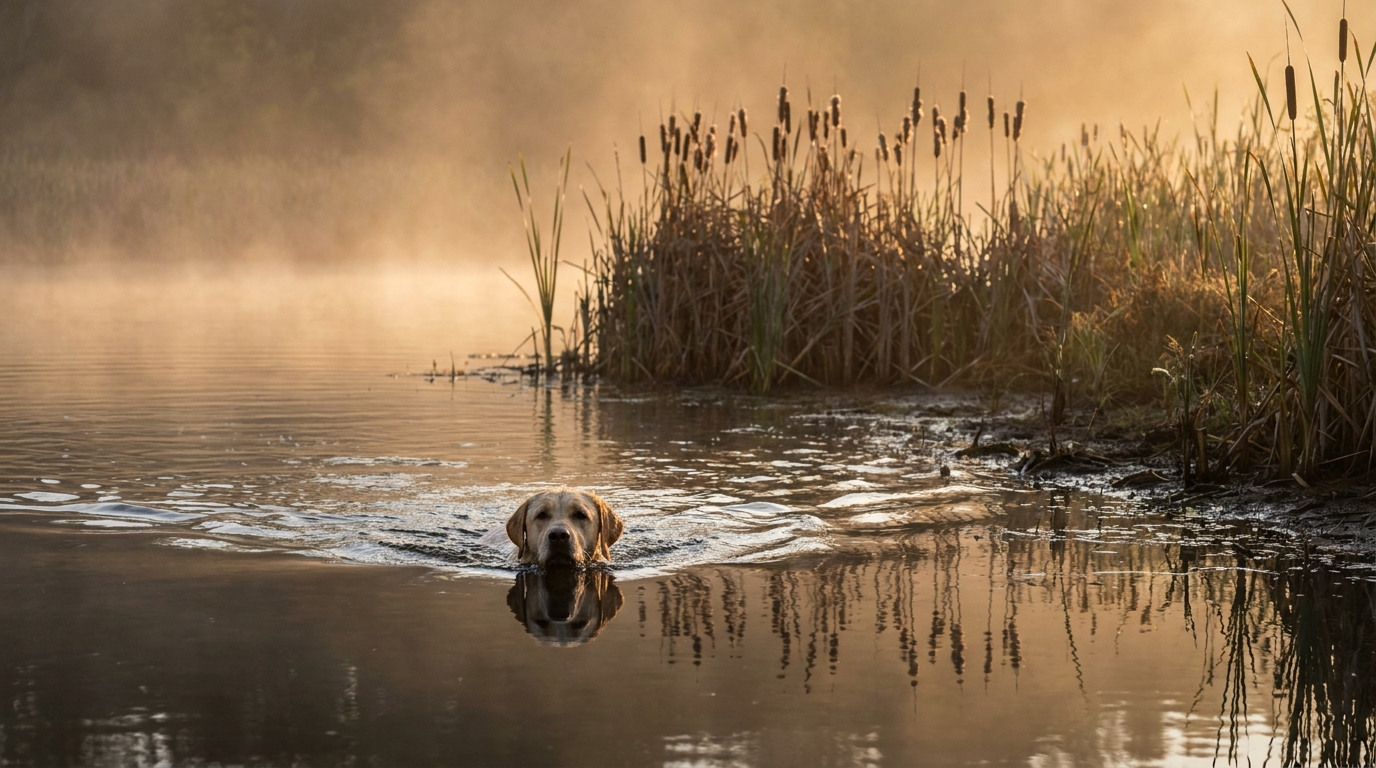
A realistic conditioning plan to get an off-season retriever fit, heat-safe, and gun-steady before opening day.
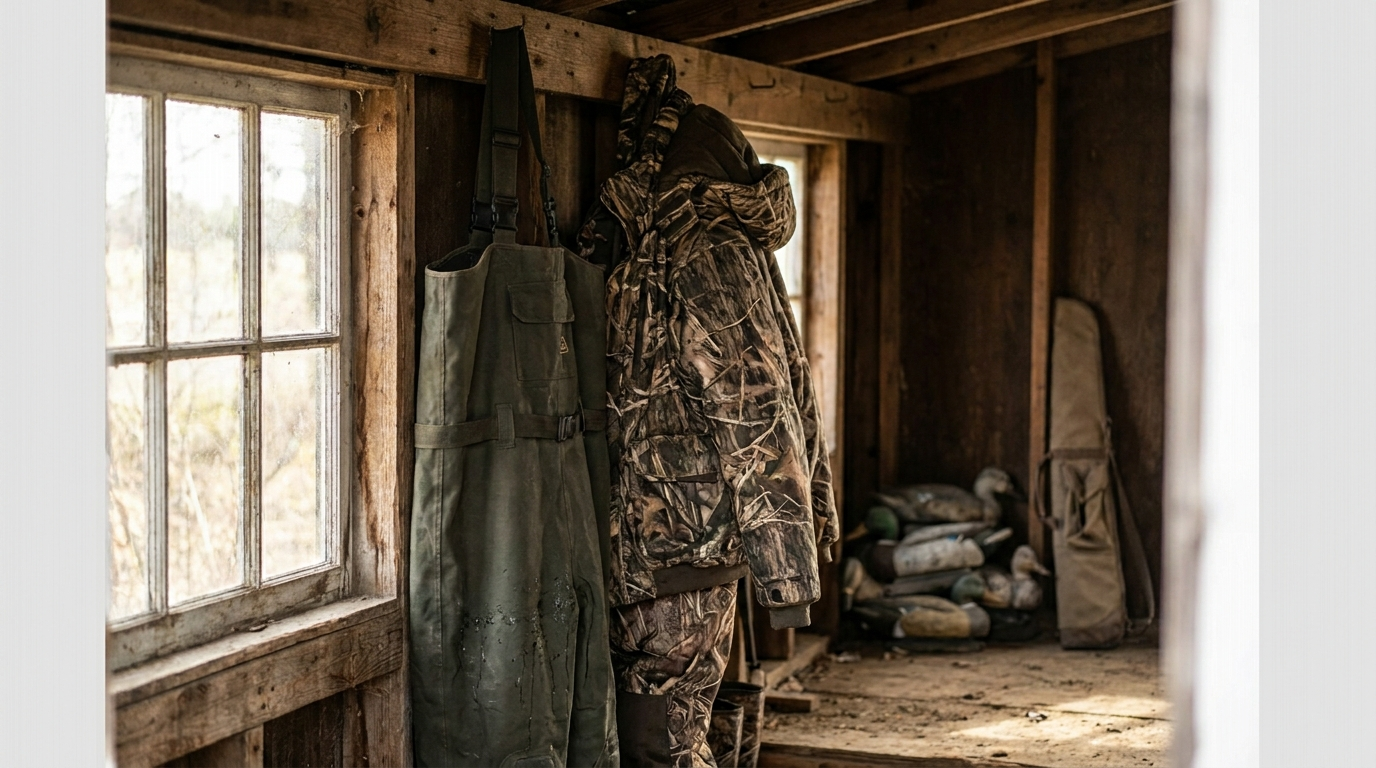
Waterfowl gear sales follow a predictable yearly calendar — buy waders and insulation in the window that actually saves money.
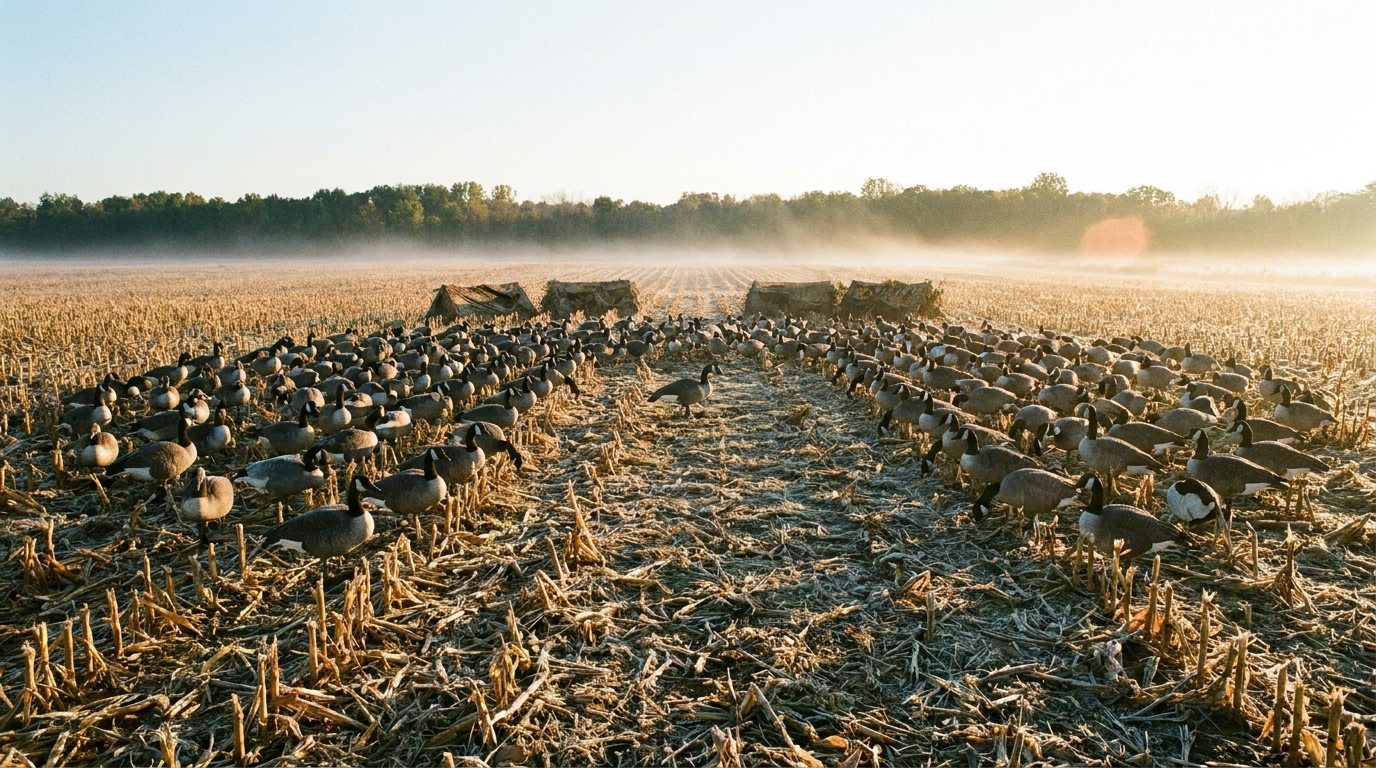
Spinning-wing decoys pull field geese from hundreds of yards out but need to go dark before birds commit — here's the distance-based rule.
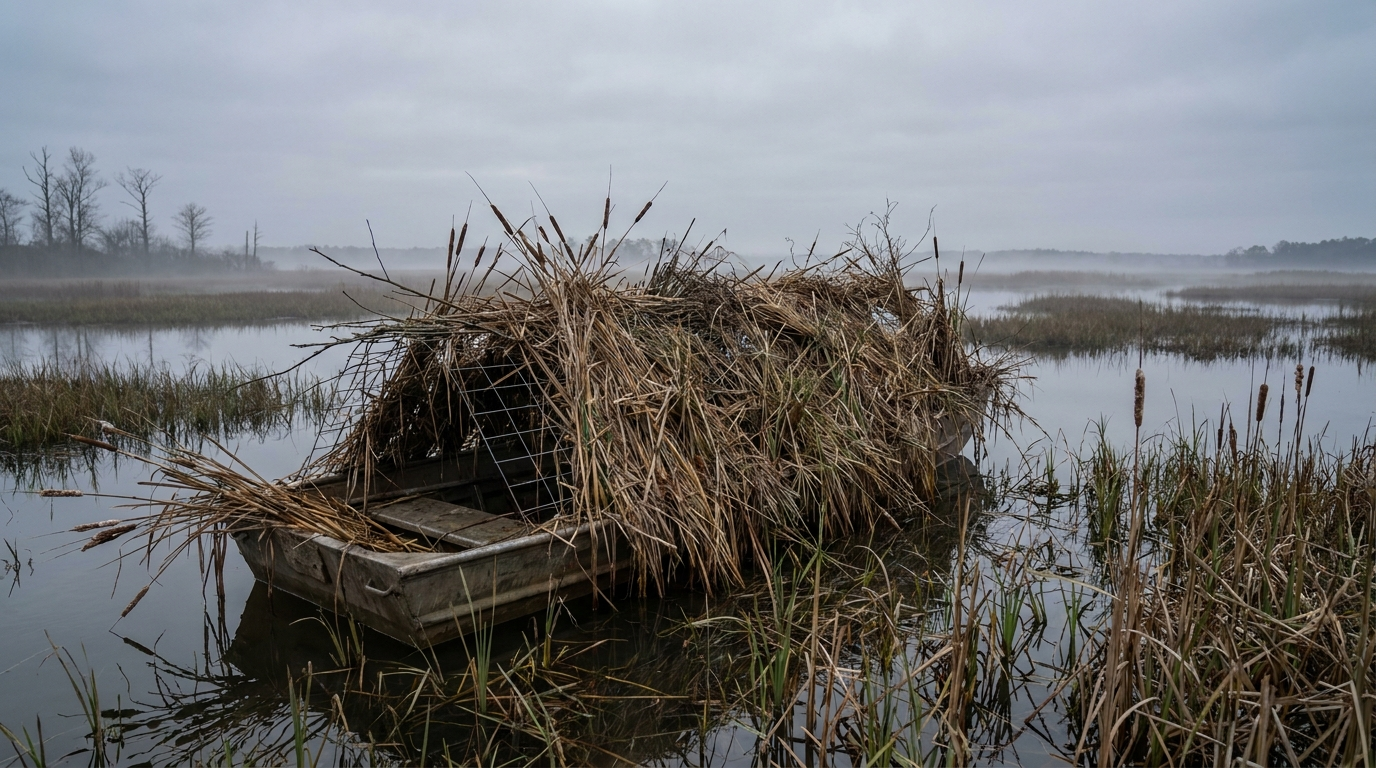
A poorly brushed boat blind reads as one solid shape to circling ducks — here's how to break up the outline and keep it working all season.
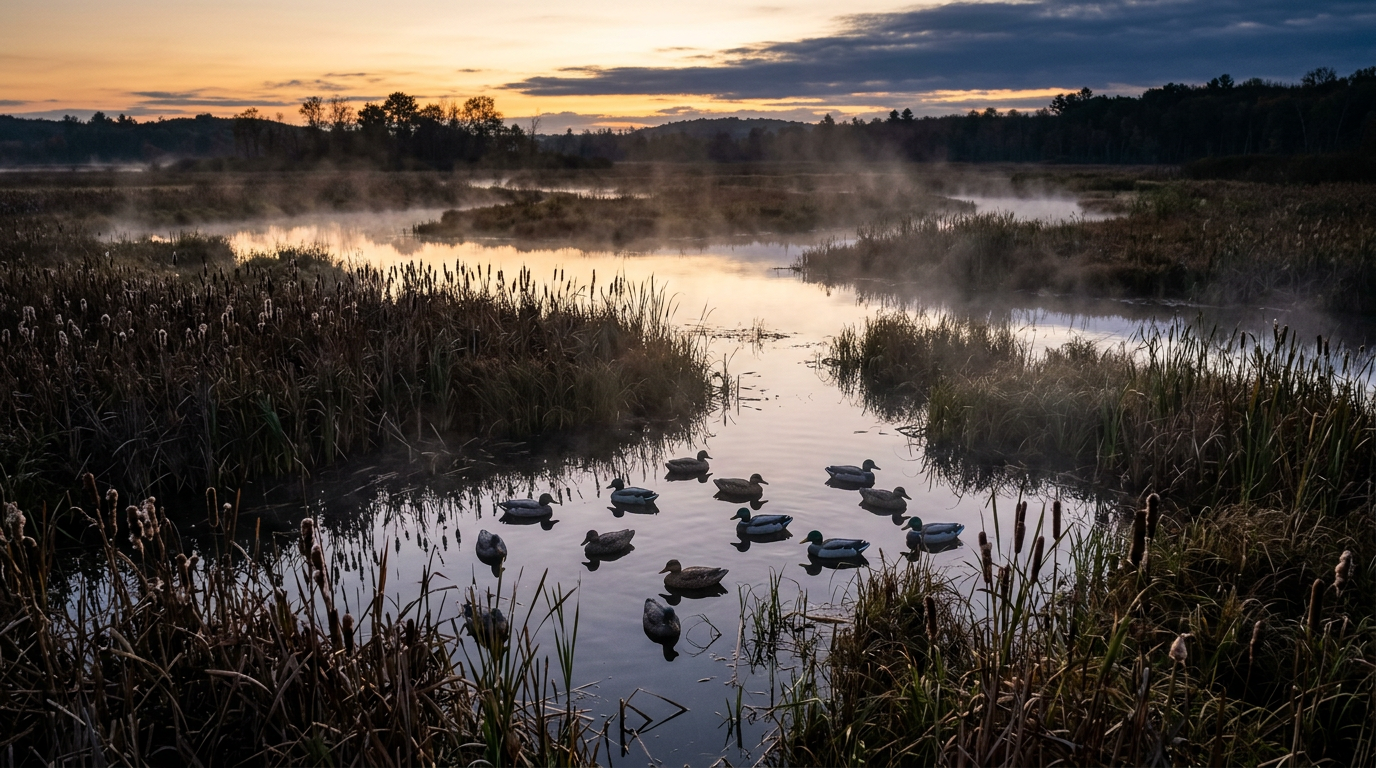
A first-season duck hunter does not need $1,200 in gear before opening day — here is a real $450 kit and the order that actually matters.
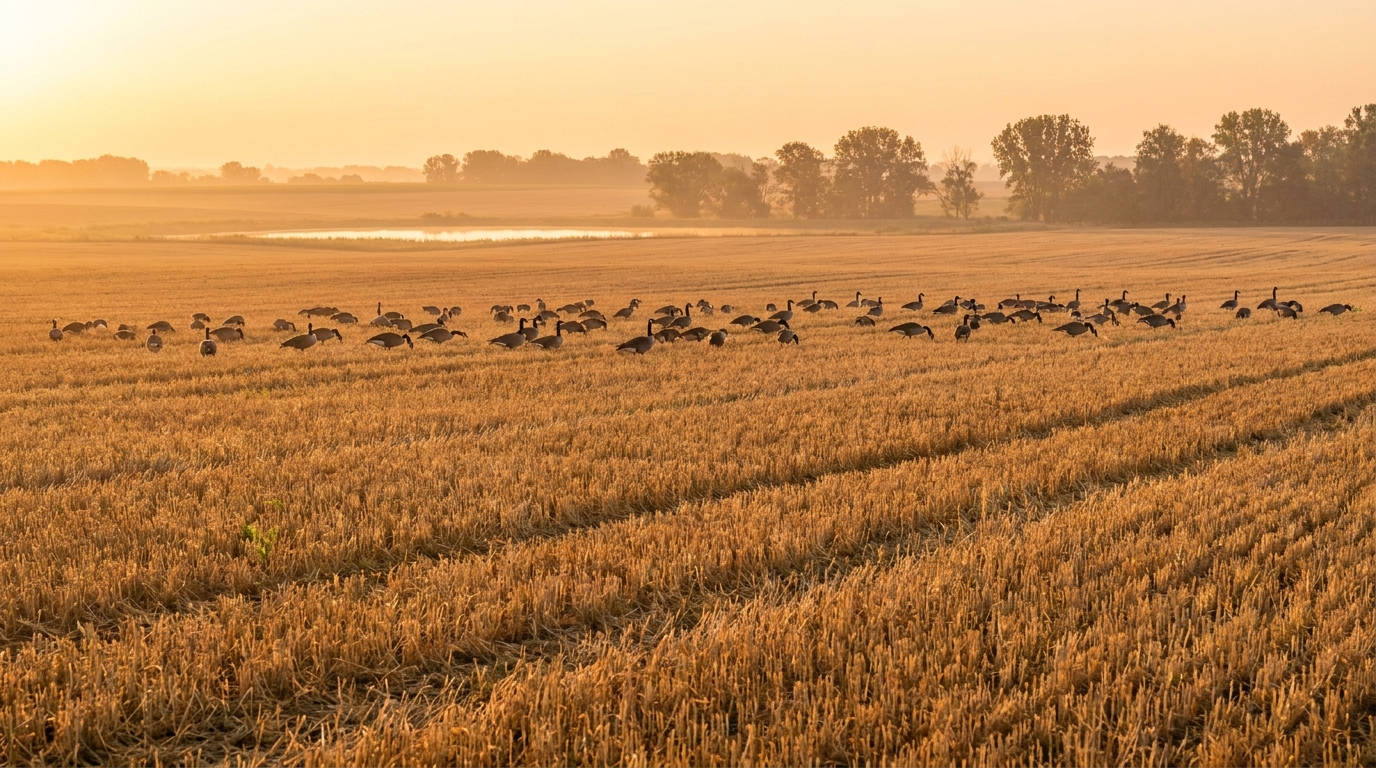
Early-season Canada geese pattern hard by August — find the roost, read the field rotation, and lock down permission before opening day arrives.
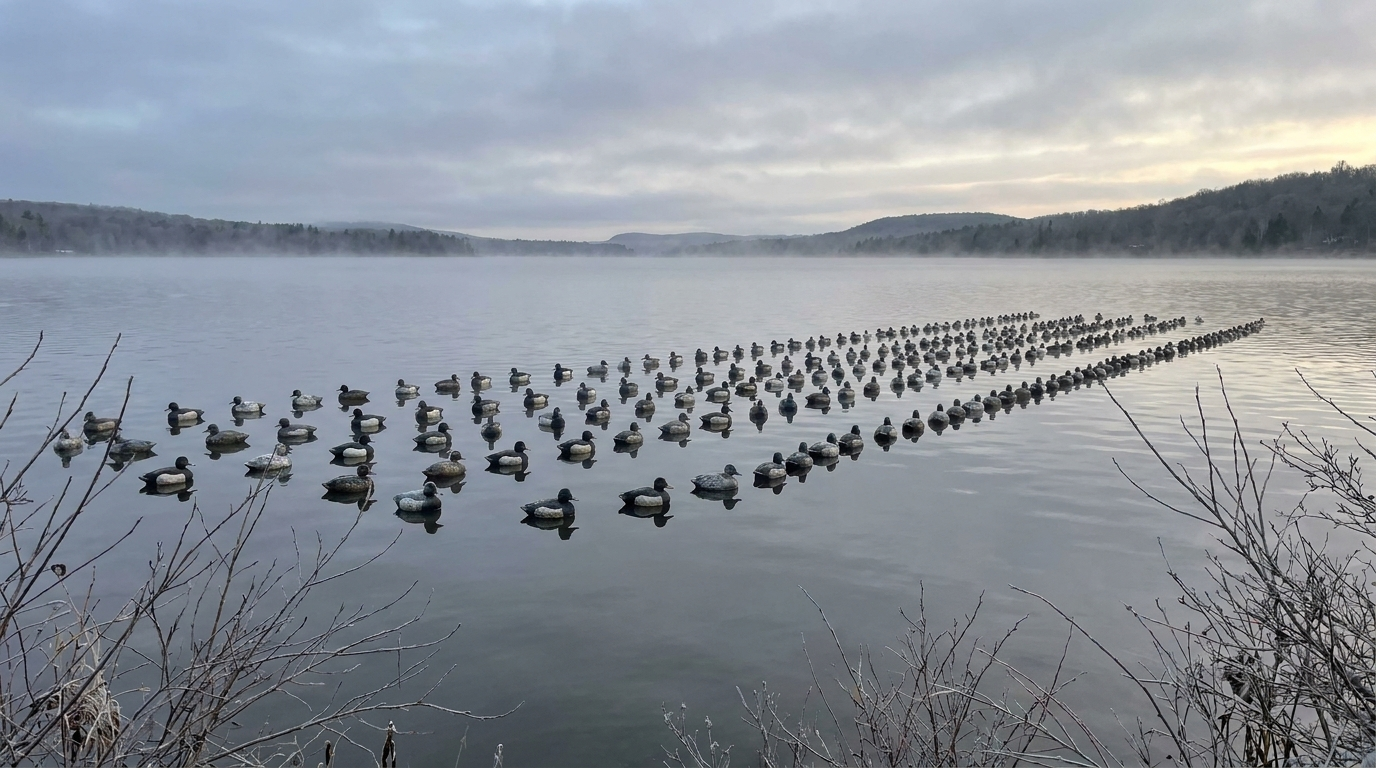
Long-line rigging is how big-water hunters run a hundred-plus diver decoys before shooting light -- here's the hardware and layout that make it work.

Blue-winged teal show up in September, months before the rest of the ducks — and everything about hunting them is different. What works on a teal opener.
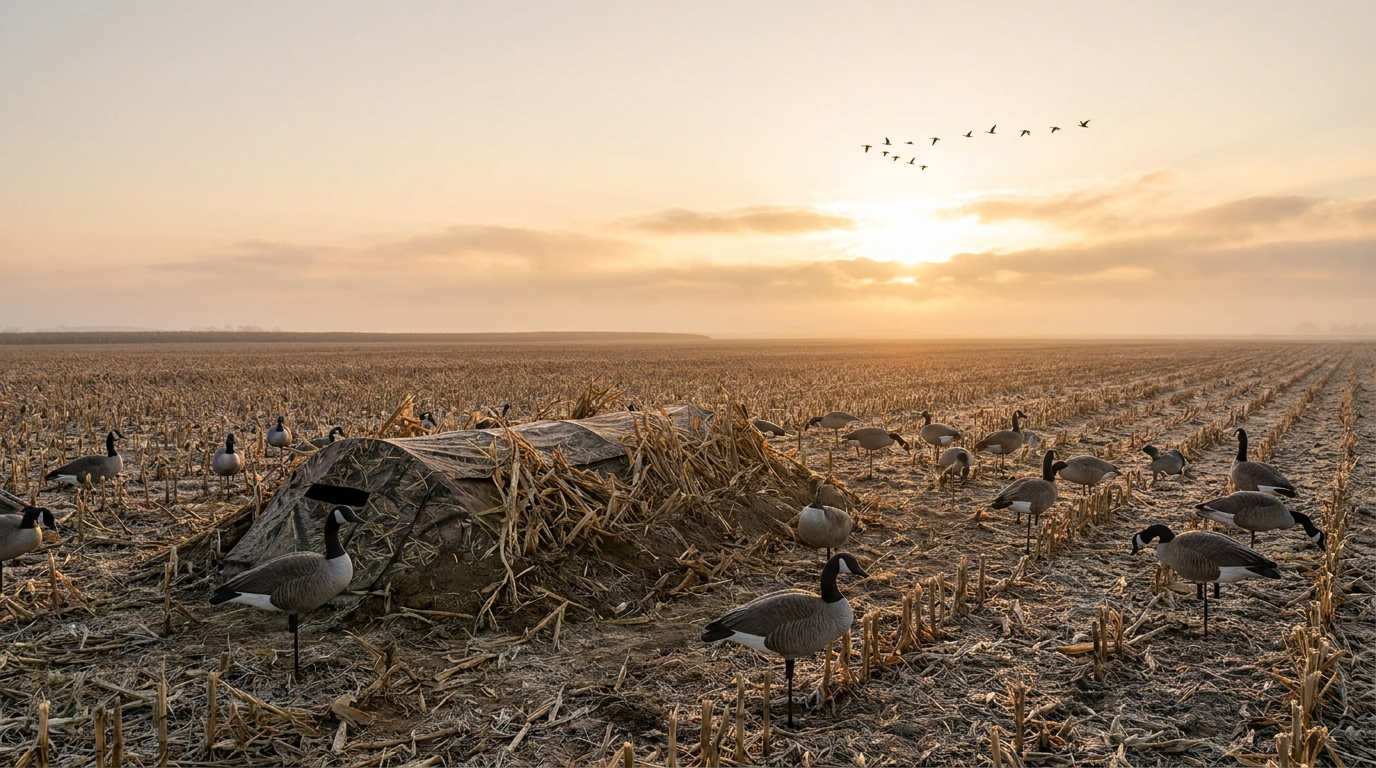
Field geese ignore camo patterns. Profile height, stubble work, and placement decide whether they commit. Here is how to shop for a layout blind.
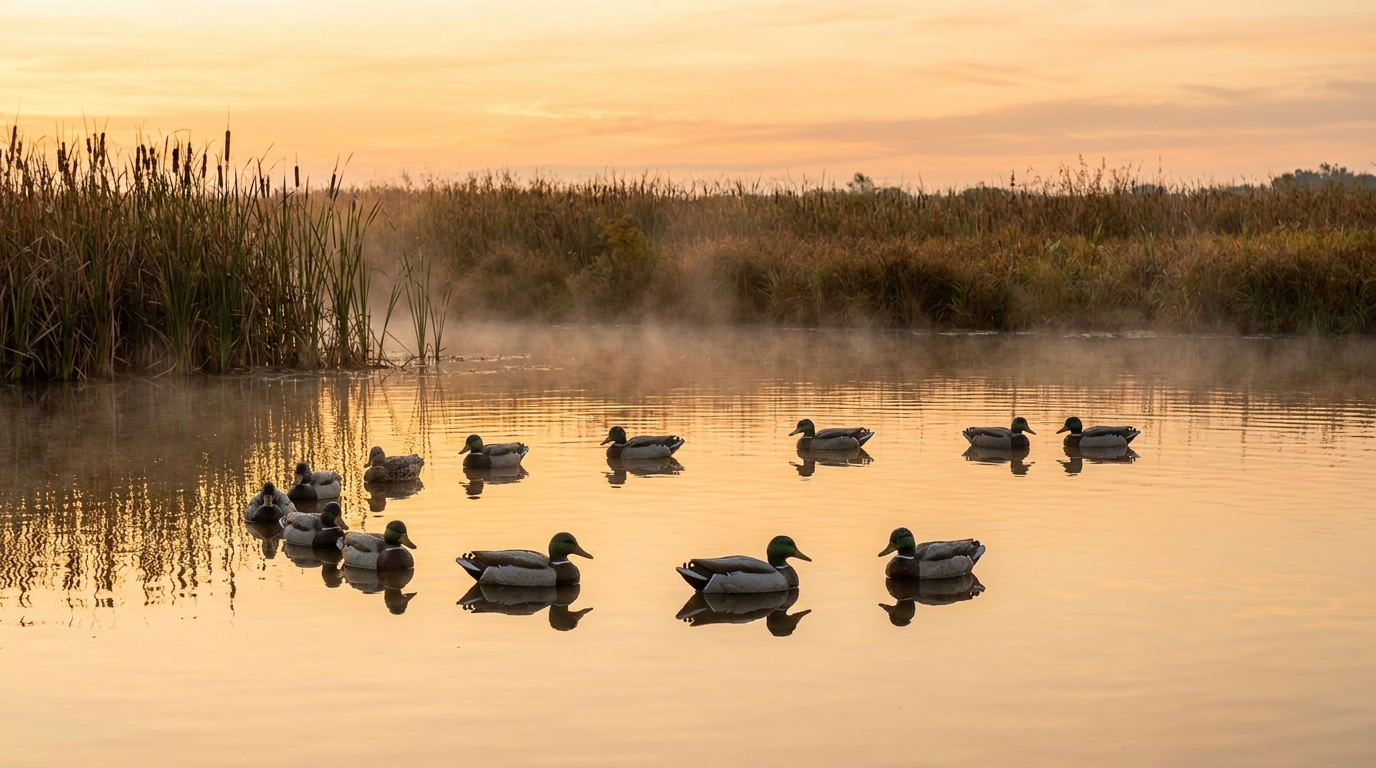
Wind direction, pocket size, decoy count by water type, and when to pull the spinner — how to set up a puddle duck spread that birds commit to.
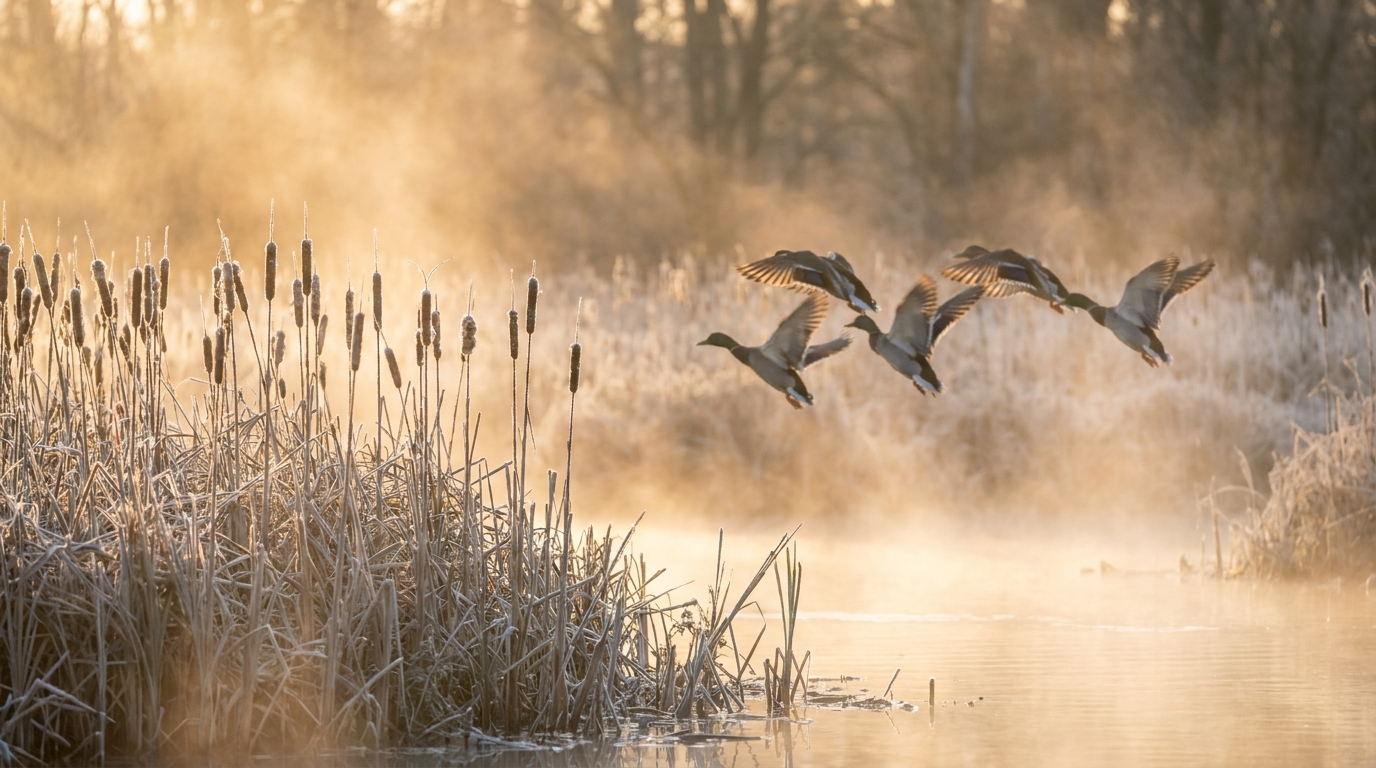
When steel is enough, when bismuth earns its cost, and when TSS is worth $9 a shell — how to choose the right nontoxic load for your duck hunting.

A jerk rig costs under $15 to build, needs no batteries, and will save hunts that spinners can't close—here's how to set one up properly and use it on the water.
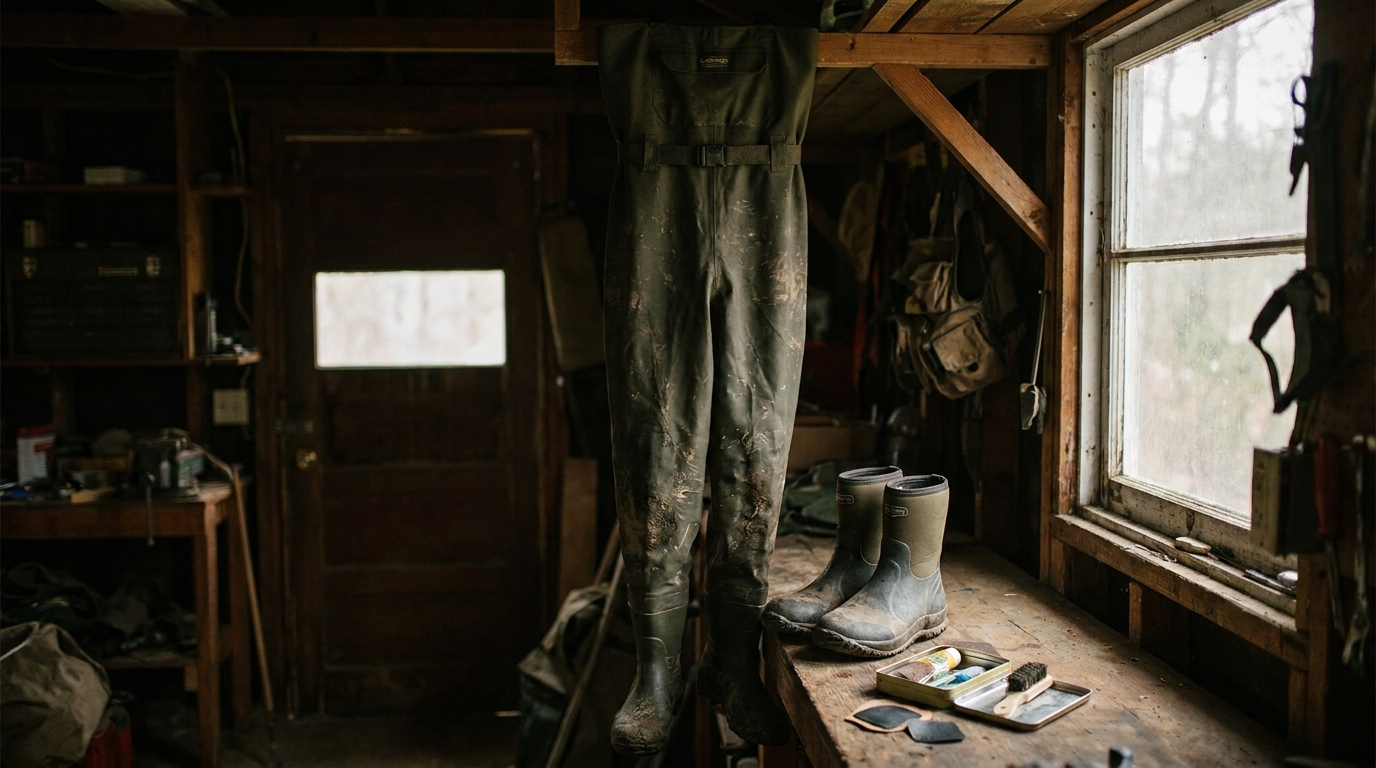
Most hunting waders fail in year two from skipped maintenance, not bad materials. Here's the seasonal care routine that doubles wader life.